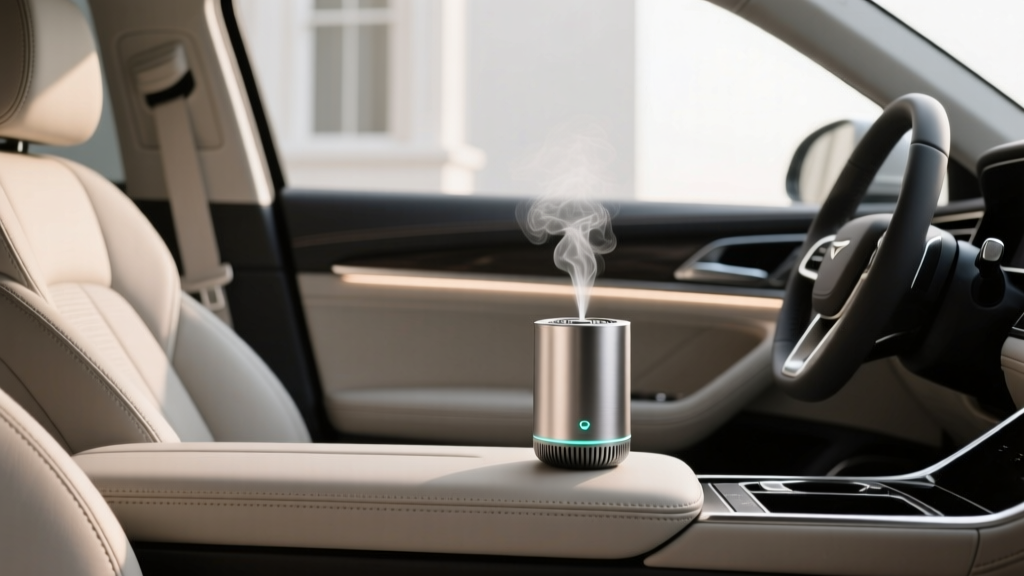
Premium Air Freshener Systems for Cars (2026)
A great-smelling cabin isn?t just a ?nice to have.? It changes how your car feels?cleaner, newer, and more relaxing?whether you?re commuting, driving clients, or taking a weekend road trip. The right scent can also make detailing efforts feel complete, because a spotless interior that smells stale still feels unfinished.
Premium air freshener systems go beyond the typical cardboard hanger. They?re designed to deliver consistent fragrance, reduce harsh chemical blasts, and integrate neatly into your interior. Some even help neutralize odor sources instead of simply covering them up. This guide breaks down how these systems work, what to buy, how to install them properly, and how to avoid common mistakes that lead to headaches, lingering residue, or an overwhelming scent cloud.
What Counts as a ?Premium? Car Air Freshener System?
Premium usually means one (or more) of the following:
- Controlled scent delivery (adjustable intensity, timed diffusion, or consistent evaporation).
- Better fragrance quality (more refined scent profiles, less ?chemical? smell).
- Cleaner integration (designed mounts, vent-safe materials, minimal dangling items).
- Refillable cartridges that reduce waste and long-term costs.
- Odor-neutralizing tech (enzyme-based sprays, charcoal, or ionization in select units).
Premium doesn?t always mean expensive. A well-designed vent clip with high-quality refills can outperform a pricier gadget if it matches your cabin size, climate, and preferences.
How Car Fragrance Delivery Actually Works
1) Passive Evaporation (Simple, Reliable)
These systems rely on heat and airflow to evaporate fragrance oils. Examples include vent clips, canisters, and gel pods.
- Pros: Low cost, no power needed, easy to maintain.
- Cons: Output varies with temperature and fan speed; can fade unevenly.
- Best for: Daily drivers, people who want ?set it and forget it? simplicity.
2) Active Diffusion (Powered Consistency)
Powered systems use a small fan, heating element, ultrasonic diffusion, or timed bursts. Some connect via USB, 12V, or run on batteries.
- Pros: More consistent scent control, better for larger cabins and SUVs.
- Cons: Higher cost, requires power and occasional cleaning; cheap models can be noisy.
- Best for: Enthusiasts, rideshare drivers, families in larger vehicles.
3) Factory-Integrated / OEM-Style Fragrance Systems (Most Seamless)
Some vehicles offer built-in fragrance cartridges or cabin scent modules (often bundled with air purification). Aftermarket OEM-style solutions mimic this with discrete mounting and cartridge systems.
- Pros: Clean look, usually well-engineered, stable output.
- Cons: Limited scent choices; refills can be pricey.
- Best for: Luxury car owners who care about interior aesthetics.
4) Odor Neutralizers (Fix the Problem, Not Just the Symptom)
These aren?t always ?fragrance systems,? but they?re premium solutions when odor is the real issue. Think activated charcoal bags, enzyme sprays, and ozone/ionizers (used carefully).
- Pros: Targets odor sources; can dramatically improve a used car.
- Cons: Some methods (ozone) require strict safety steps and time.
- Best for: Smoke, food, pet, mildew, or ?old car? odors.
Choosing the Right Premium System for Your Car
Before buying anything, match the system to your cabin, climate, and sensitivity level.
Use this quick decision checklist
- Cabin size: Compact cars need less output; SUVs and three-row vehicles need more consistent diffusion.
- Climate: Hot interiors can ?overcook? oils and turn a pleasant scent into a harsh one.
- Vent design: Thin, fragile, or oddly shaped vents may not suit heavy vent clips.
- Scent sensitivity: If you get headaches easily, choose lower-output systems and lighter scents.
- Interior materials: Leather, suede/Alcantara, and soft-touch plastics can absorb fragrance?good or bad?depending on the oils used.
- Goal: Do you want a signature scent, or are you fighting persistent odor?
Real-world examples
- Rideshare vehicle: Go for adjustable intensity and neutral crowd-pleasers (clean linen, light citrus). Avoid heavy vanilla or cologne-style scents that polarize passengers.
- Weekend sports car: A discreet vent system or a premium hanging diffuser keeps the cabin looking clean without bulky gadgets.
- Family SUV: Active diffusion or a stronger passive canister helps overcome food smells and frequent door openings.
Premium Air Freshener System Types (Pros, Cons, and Where They Fit Best)
Vent Clip Diffusers
- Best for: Most drivers who want adjustable scent without clutter.
- Look for: A dial/slider intensity control, secure clip design, and oil formulations labeled ?vent-safe.?
- Watch out for: Oils that can stain or soften plastics if they leak or touch the vent trim.
Canister/Gel Systems (Cup Holder or Under-Seat)
- Best for: Steady background scent; good for larger cabins.
- Look for: Sealed designs with adjustable vents, non-spill gel, and stable base.
- Watch out for: Heat exposure under direct sun can increase output too much.
Hanging Diffusers (Premium Bottle Style)
- Best for: Style-focused interiors and mild scent delivery.
- Look for: Leak-resistant caps, quality cord, and controlled saturation (not a free-flowing bottle).
- Watch out for: Spills that can damage trim, screens, or leather. Never over-soak.
Powered USB/12V Diffusers
- Best for: Consistent output and adjustable scent schedules.
- Look for: Replaceable cartridges, quiet operation, and easy cleaning access.
- Watch out for: Cheap atomizers that leave oily residue on nearby surfaces.
Odor Neutralizer Add-ons (Charcoal + Enzyme Spray Combo)
- Best for: Used cars, smokers, pet owners, mildew-prone vehicles.
- Look for: Unscented enzyme sprays and genuine activated charcoal bags (rechargeable in sunlight).
- Watch out for: Spraying enzymes on delicate fabrics without spot testing.
Step-by-Step: How to Set Up a Premium Air Freshener System the Right Way
Step 1: Remove the odor source first (don?t skip this)
If your car smells musty or sour, fragrance alone won?t fix it. Start here:
- Empty the cabin (trash, gym bags, old food wrappers).
- Vacuum thoroughly, including under seats and in seat creases.
- Wipe hard surfaces with a mild interior cleaner (steering wheel, cup holders, door pockets).
- Check the cabin air filter?if it?s dirty, replace it. A clogged filter can hold odors and reduce HVAC freshness.
- If odors persist: Use an enzyme odor neutralizer on fabric areas (floor mats, trunk carpet), following label directions.
Step 2: Choose placement for even scent distribution
- Vent clip: Use a center vent for the most even distribution.
- Canister/gel: Under the front passenger seat is often ideal (stable temp, out of direct sun).
- Hanging diffuser: Keep it from swinging into the dash; avoid hot windshield zones.
- Powered diffuser: Place in a cup holder or a stable console spot, away from screens and glossy trim.
Step 3: Start at the lowest intensity
- Set the diffuser to low output (or partially open a gel/canister).
- Drive for 20?30 minutes with normal HVAC use.
- Adjust in small increments over a few days. Your nose adapts quickly?what seems ?gone? may still be strong to passengers.
Step 4: Create a ?freshness routine? that keeps results consistent
- Weekly: Shake out mats, quick vacuum, wipe cup holders.
- Monthly: Clean interior glass and wipe door jambs (they hold grime and odor).
- Every 3?6 months: Replace cabin air filter if you drive in dusty areas or heavy traffic.
Product Recommendations and Comparisons (What to Look For)
Instead of chasing hype, compare premium systems by performance factors that matter inside a real car.
Comparison table: quick buying guide
- Best overall for most cars: Adjustable vent clip diffuser (consistent, clean install, affordable refills).
- Best for SUVs and big cabins: Powered diffuser with cartridge system (steady output, better reach).
- Best for odor problems: Activated charcoal + unscented enzyme spray (removes funk before adding fragrance).
- Best luxury look: OEM-style cartridge system or premium hanging diffuser (minimal visual clutter).
What separates a premium refill from a cheap one
- Smoother scent curve: Less ?blast? on day one, less fade on day seven.
- Lower residue risk: Better carrier oils and tighter packaging reduce leaks.
- More natural profile: Clean notes (citrus, soft woods, linen) smell less synthetic when blended well.
Scent profiles that work well in cars
- Clean and neutral: Linen, cotton, light musk (great for rideshare and mixed passengers).
- Fresh: Citrus, bergamot, green tea (feels ?detailed,? not overpowering).
- Warm: Cedar, sandalwood, leather-inspired blends (pairs well with premium interiors).
Common Mistakes to Avoid (and What to Do Instead)
- Mistake: Using fragrance to cover mildew or smoke.
Do instead: Replace the cabin filter, clean soft surfaces, use enzyme treatment, then add scent. - Mistake: Setting intensity too high on day one.
Do instead: Start low for 2?3 days. Let the cabin ?season? gradually. - Mistake: Placing oils near delicate trim or screens.
Do instead: Keep diffusers upright, secured, and away from touchscreens and piano-black surfaces. - Mistake: Hanging diffusers that swing and leak.
Do instead: Use a short cord, avoid over-saturation, and keep the bottle vertical. - Mistake: Ignoring HVAC odor (sour smell on A/C start).
Do instead: Consider an HVAC evaporator cleaner service or DIY foam cleaner designed for automotive systems.
Practical Tips for Getting a ?Premium Smell? Without Overdoing It
- Match scent intensity to temperature: Reduce output in summer; heat amplifies fragrance.
- Use recirculation strategically: Recirc can intensify scent faster; fresh-air mode keeps it lighter.
- Layer smart: If you use a scented interior detailer, choose an unscented air system?or vice versa?to avoid clashing.
- Keep it subtle: A premium-smelling car usually means ?clean with a hint of fragrance,? not ?air freshener explosion.?
- Test before committing: Try a scent sample pack or single refill first, especially with strong wood, oud, or cologne-style profiles.
FAQ: Premium Car Air Freshener Systems
How long do premium air freshener refills usually last?
Most premium vent clips and cartridges last 2?6 weeks depending on heat, fan speed, and intensity settings. Powered diffusers with timed bursts can stretch longer because they control output more precisely.
Are vent clip diffusers safe for all vents?
They?re generally safe, but heavy clips can stress thin vent slats. If your vents feel fragile or are motorized, choose a lighter clip, a cup-holder canister, or an under-seat system.
Why does my car smell fine to me but strong to passengers?
Your nose adapts quickly (scent fatigue). Keep intensity lower than you think you need, and ask a passenger for honest feedback after a 10-minute drive.
Can air fresheners damage leather or plastic?
They can if oils leak or repeatedly contact surfaces. Avoid placing oil-based systems where they can drip onto trim, and wipe any spills immediately with a gentle interior cleaner.
What?s the best solution for smoke or ?used car? odor?
Start with a deep clean, replace the cabin air filter, use an enzyme odor neutralizer on fabrics, and add activated charcoal bags. After the odor source is controlled, introduce a light, clean fragrance system.
Do ionizers or ozone machines work?
They can, but they require caution. Ozone treatments should be done with the car unoccupied and followed by thorough airing out. For most owners, enzyme + charcoal is the safer first step.
Next Steps: Build Your Ideal Premium Scent Setup
If you want the best results, treat cabin scent like a system:
- Fix odors first (cleaning + cabin filter).
- Choose a delivery method that matches your cabin size and vent design.
- Pick a versatile scent profile (clean, citrus, soft woods) and start at low intensity.
- Maintain consistency with simple weekly touch-ups so the fragrance never has to ?fight? a dirty interior.
For more practical, enthusiast-friendly interior tips?cleaning routines, material care, and smart upgrades?explore the latest guides on carinteriormix.com.